Women in AI
I designed and built a participatory event website where visitors create digital punch cards and contribute to a shared community archive.
Overview
A Next.js and Supabase experience connecting event information, a historical narrative, and a growing archive of visitor-created cards.
- Role
- Design engineer
- Scope
- Brand direction, visual design, interaction, motion, front-end development, and deployment
- Audience
- Women working across AI, data science, and emerging technology
- Format
- Biannual community event
- Platform
- Next.js and Supabase
- Date
- 2026
A living archive
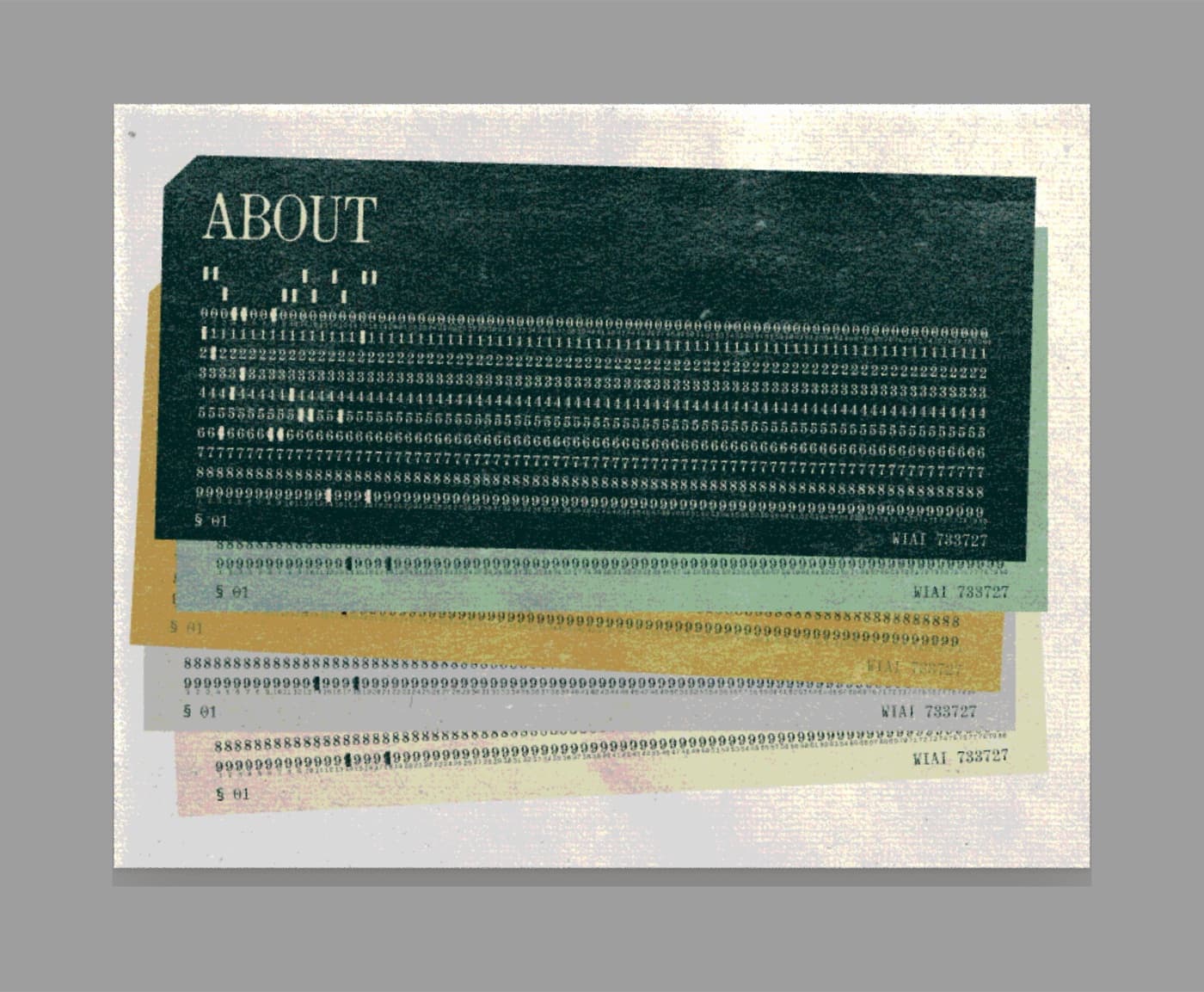
The punch card connects Ada Lovelace’s Jacquard loom metaphor with the keypunch work performed by early women programmers. I moved it from a graphic reference into the site’s central interaction. Visitors choose one of five card stocks, compose an 80-column note, and sign it. Each character is translated into IBM 029 Hollerith punches before the finished card is filed into the shared Community Cards archive.
The archive turns the website into a collective record of the people around the event. On desktop, the cards form an explorable spatial cabinet. On phones and for visitors who prefer reduced motion, they become a readable list. The rest of the platform supports registration, upcoming event details, photography, and past editions.
Restoring the legend
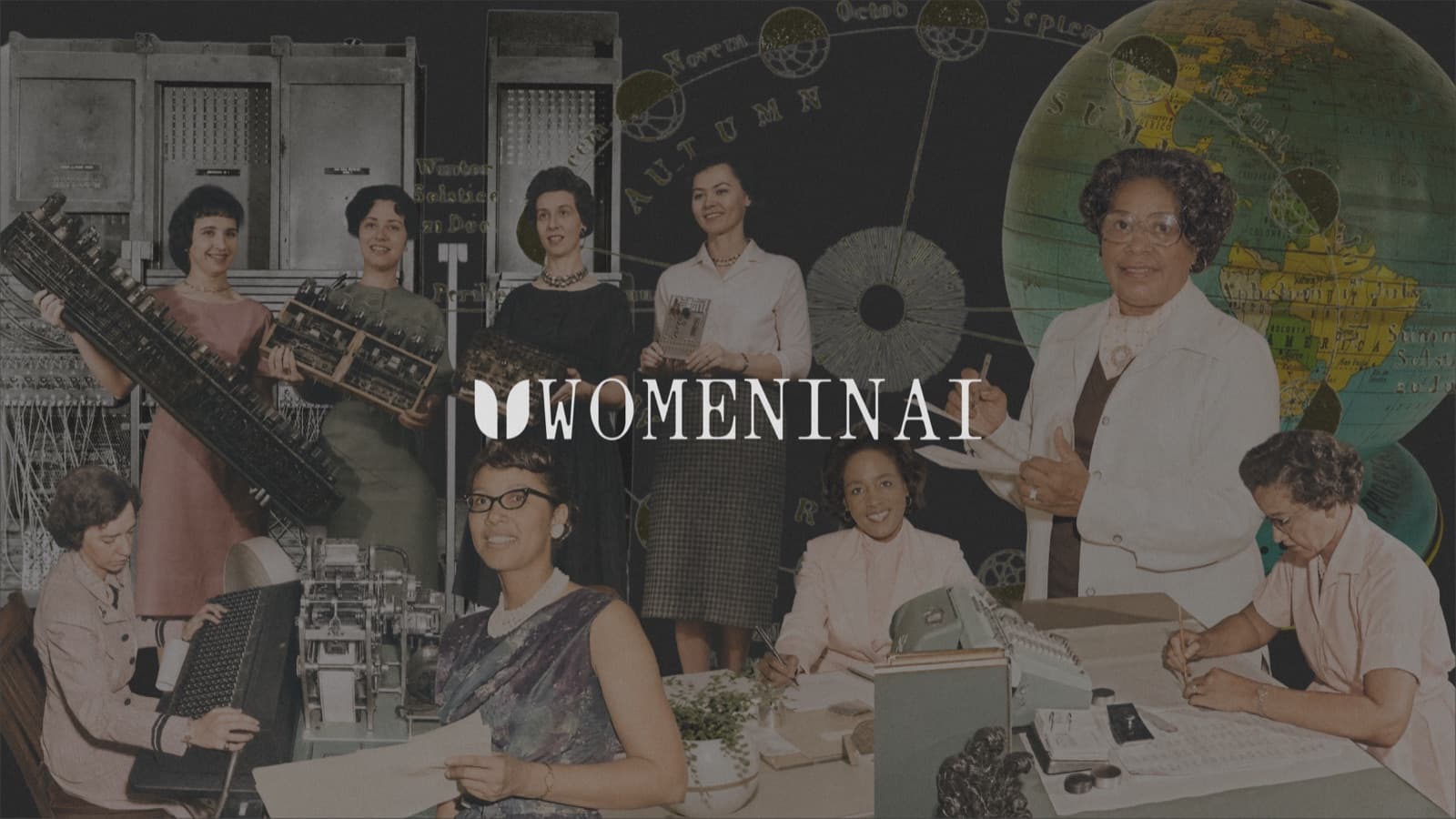
The identity began with a broad roster of women in AI, briefly organized into thematic waves. The direction became more distinctive when I looked further back, beyond AI to the women who shaped mathematics, engineering, codebreaking, hardware, and programming from Ada Lovelace onward.
A chronological set of ten figures became the spine of the system. Their stories surfaced a recurring tension between contribution and credit: women helped establish computing, yet many were undervalued or left out of its history. The thesis became simple: the field did not let women in. It started with them. Mindy Seu’s Cyberfeminism Index helped frame that history as a living, cross-referenced archive.
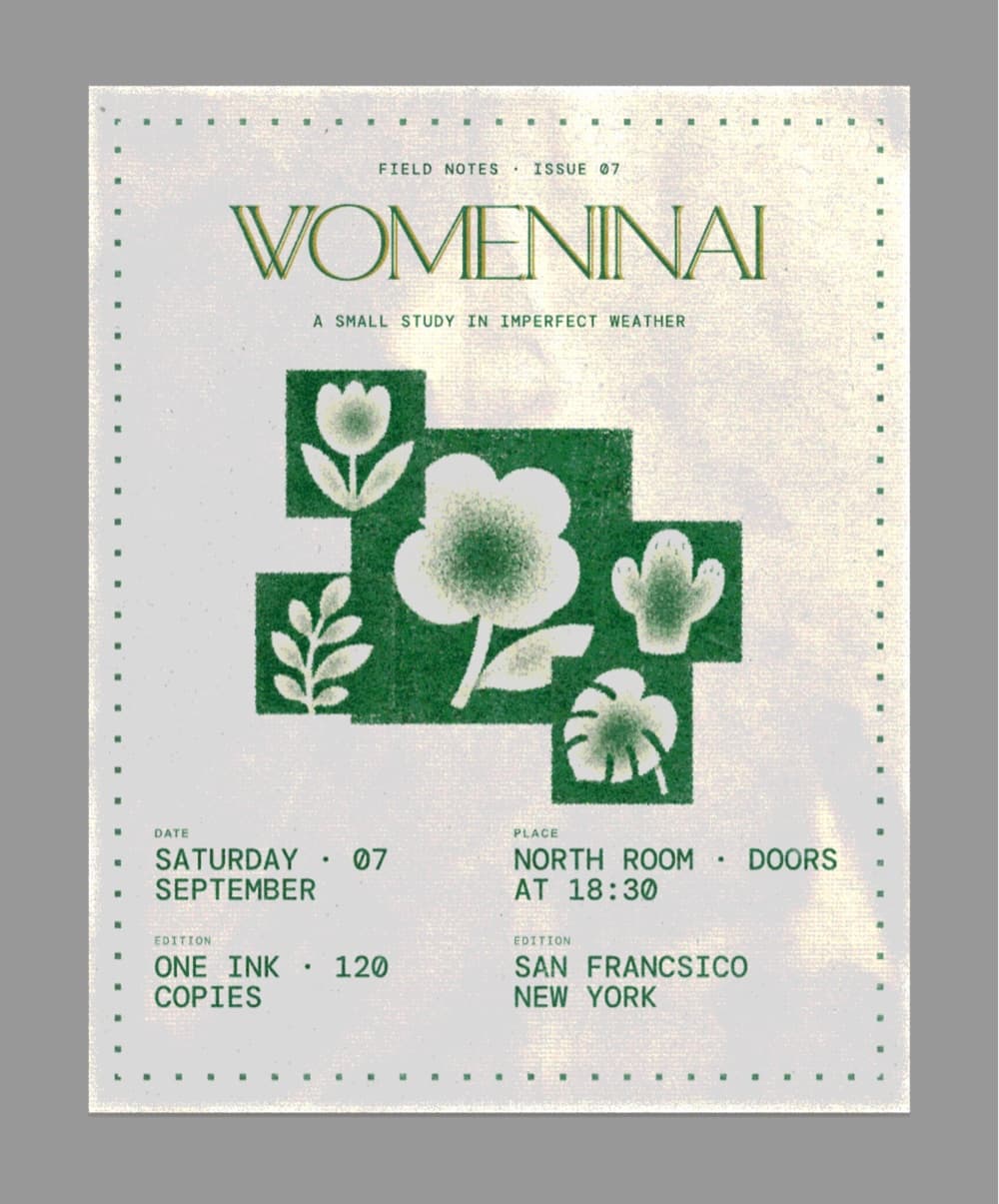
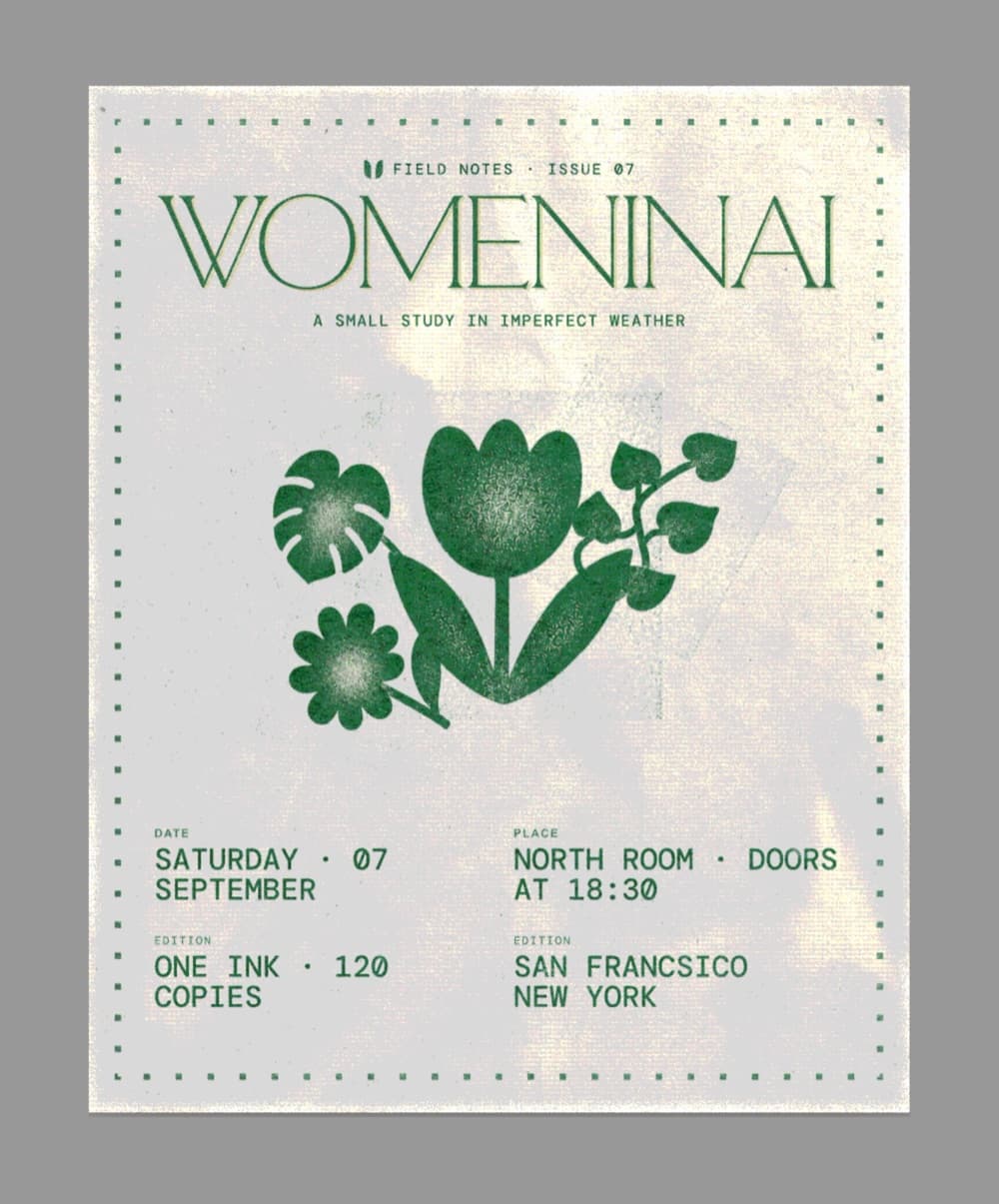
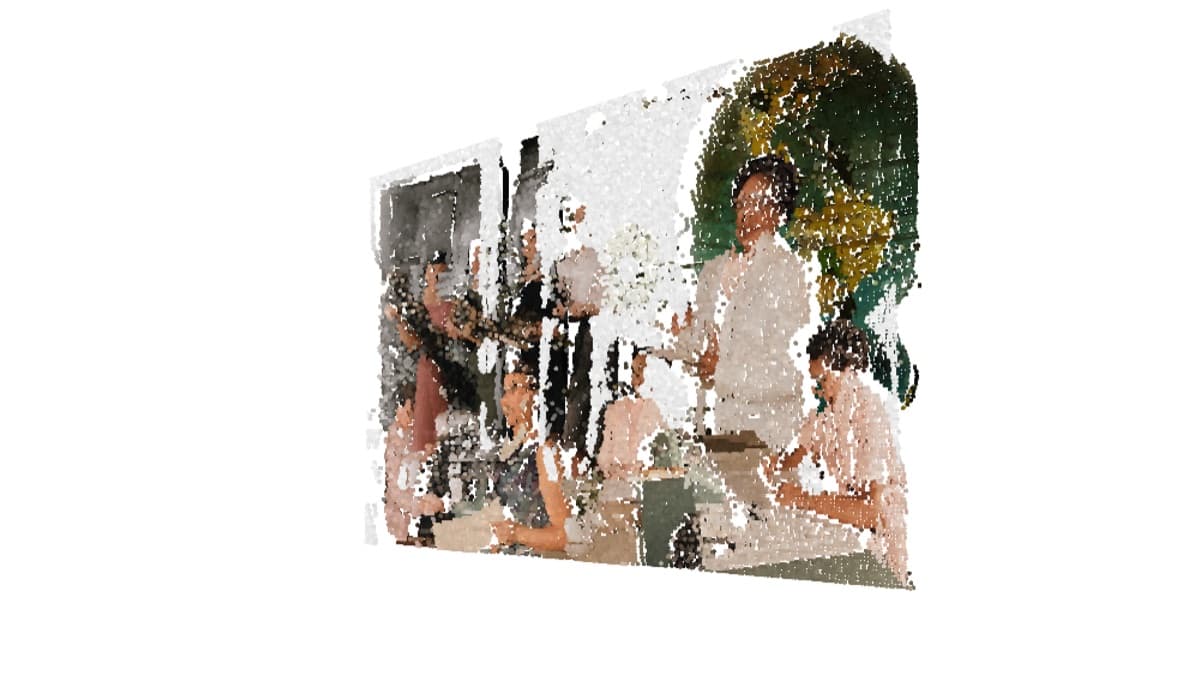
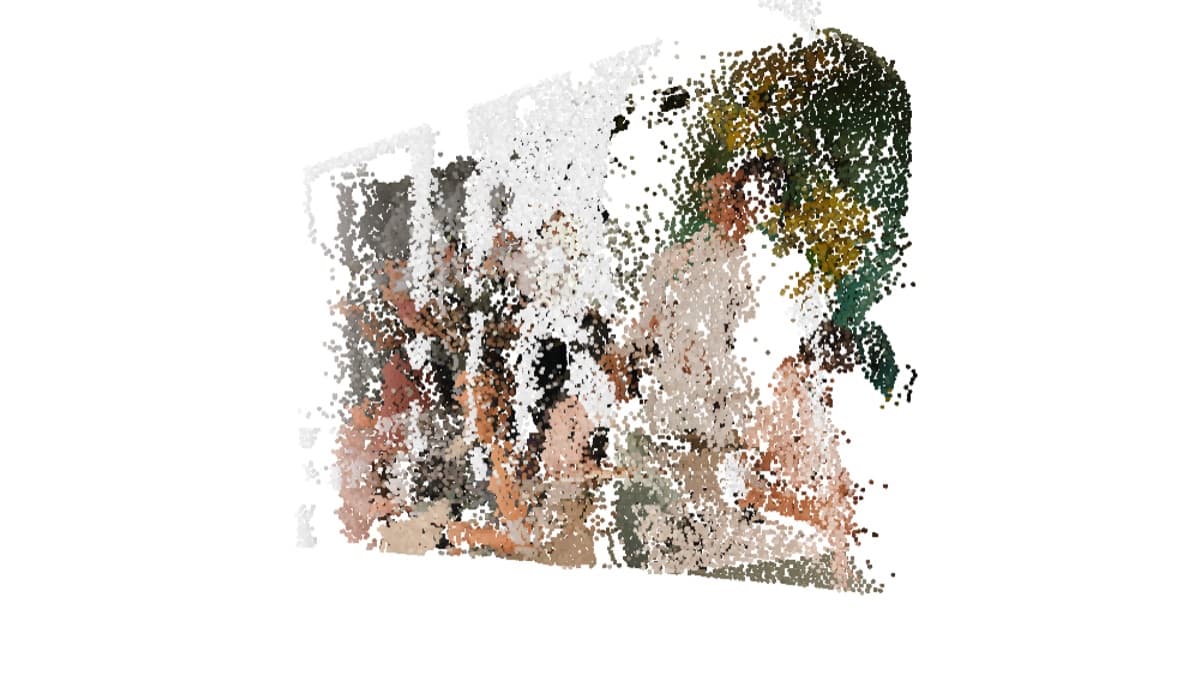
The visual system overlays each woman’s intellectual work, including algorithms, ciphers, circuits, and trajectories, onto her archival portrait. Grain, numbered annotations, and a restrained warm palette bring source material from different eras into one editorial language. I explored historical collage, editorial posters, botanical pixel forms, point clouds, and layered card compositions before the punch card became the clearest bridge between the history and the digital experience.
Built to continue
Women in AI is held twice a year, so the identity needed to grow beyond one launch. Each edition can spotlight another part of the historical timeline while the archive continues accumulating contributions from the community.